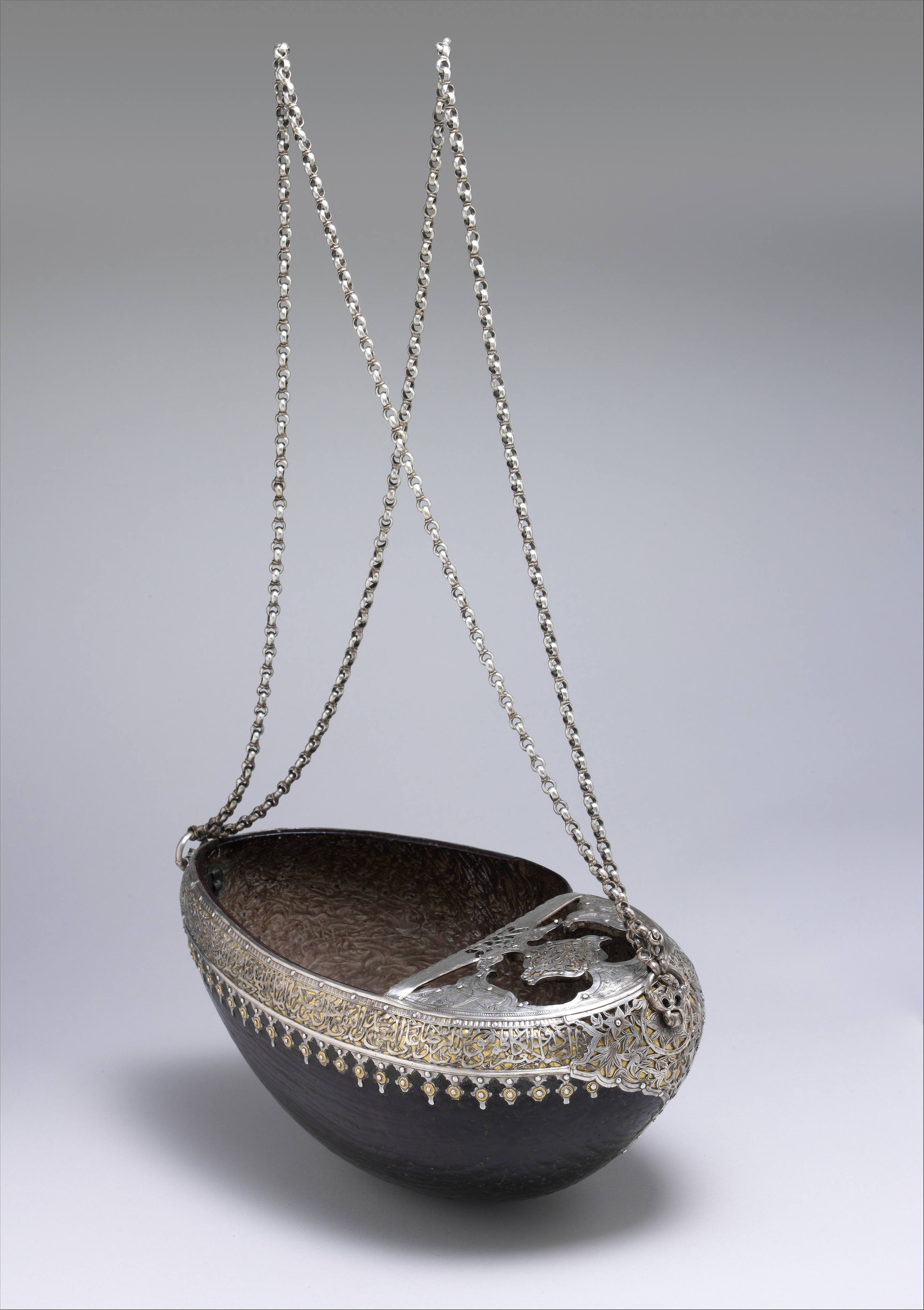
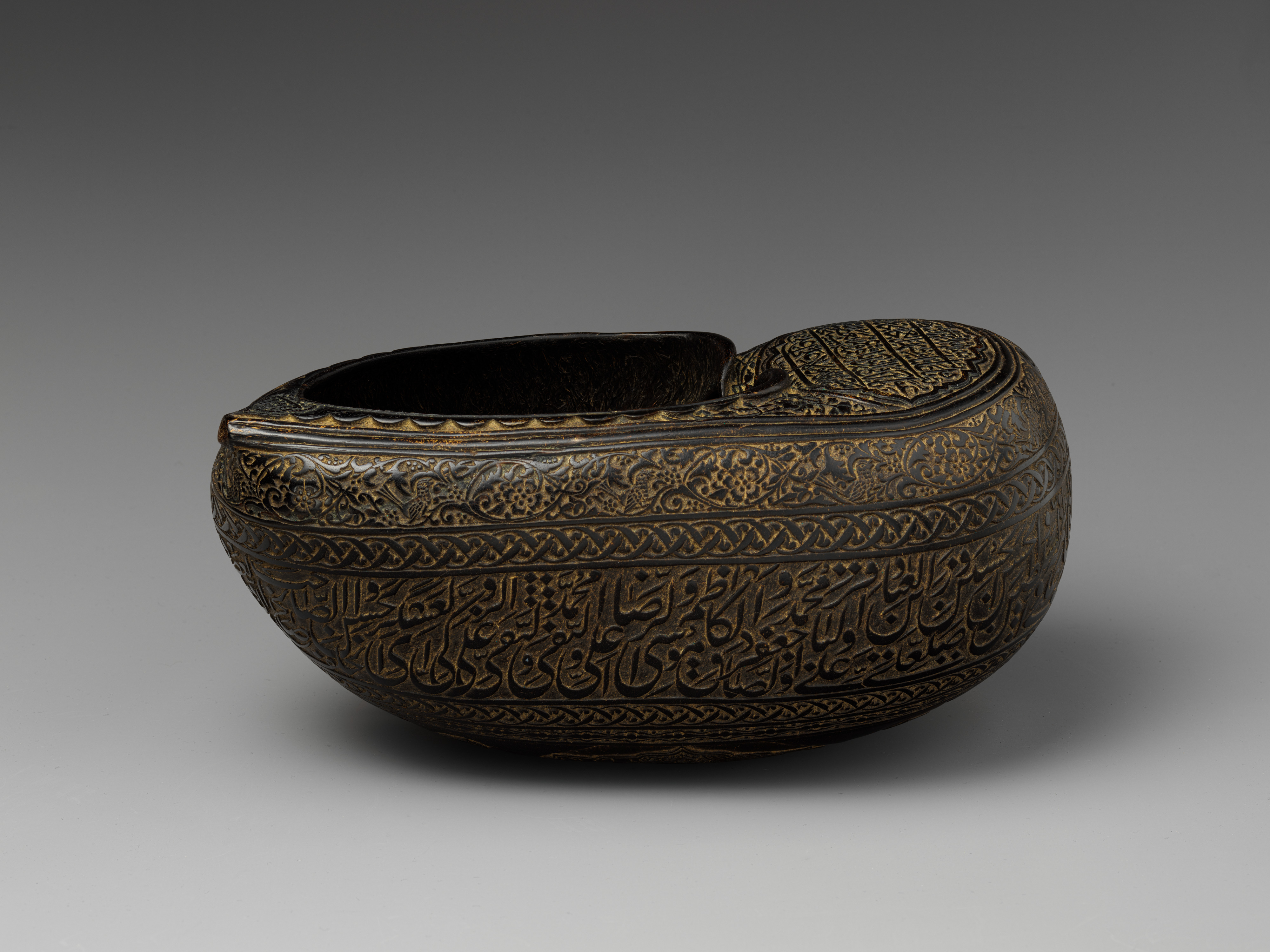
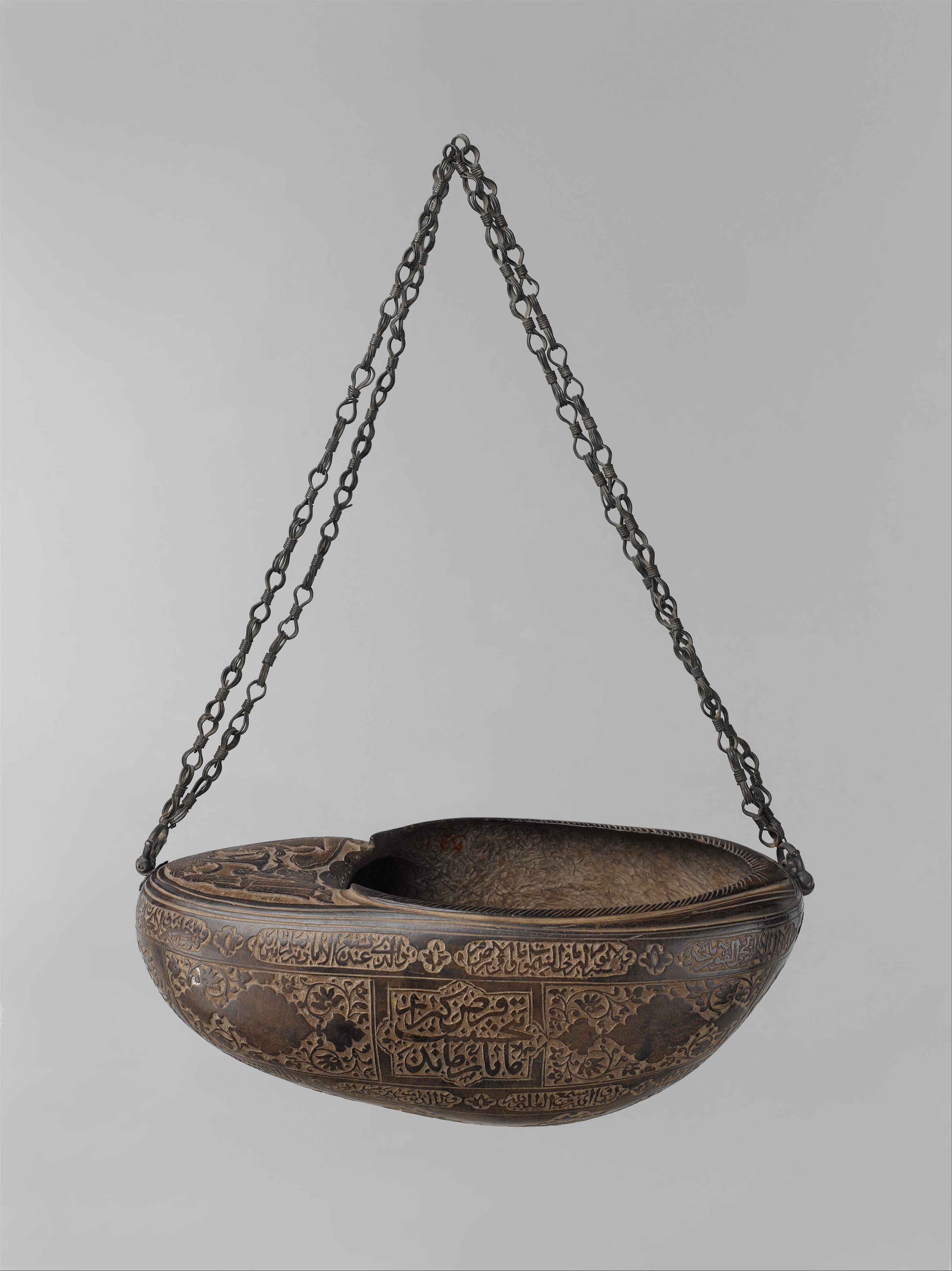
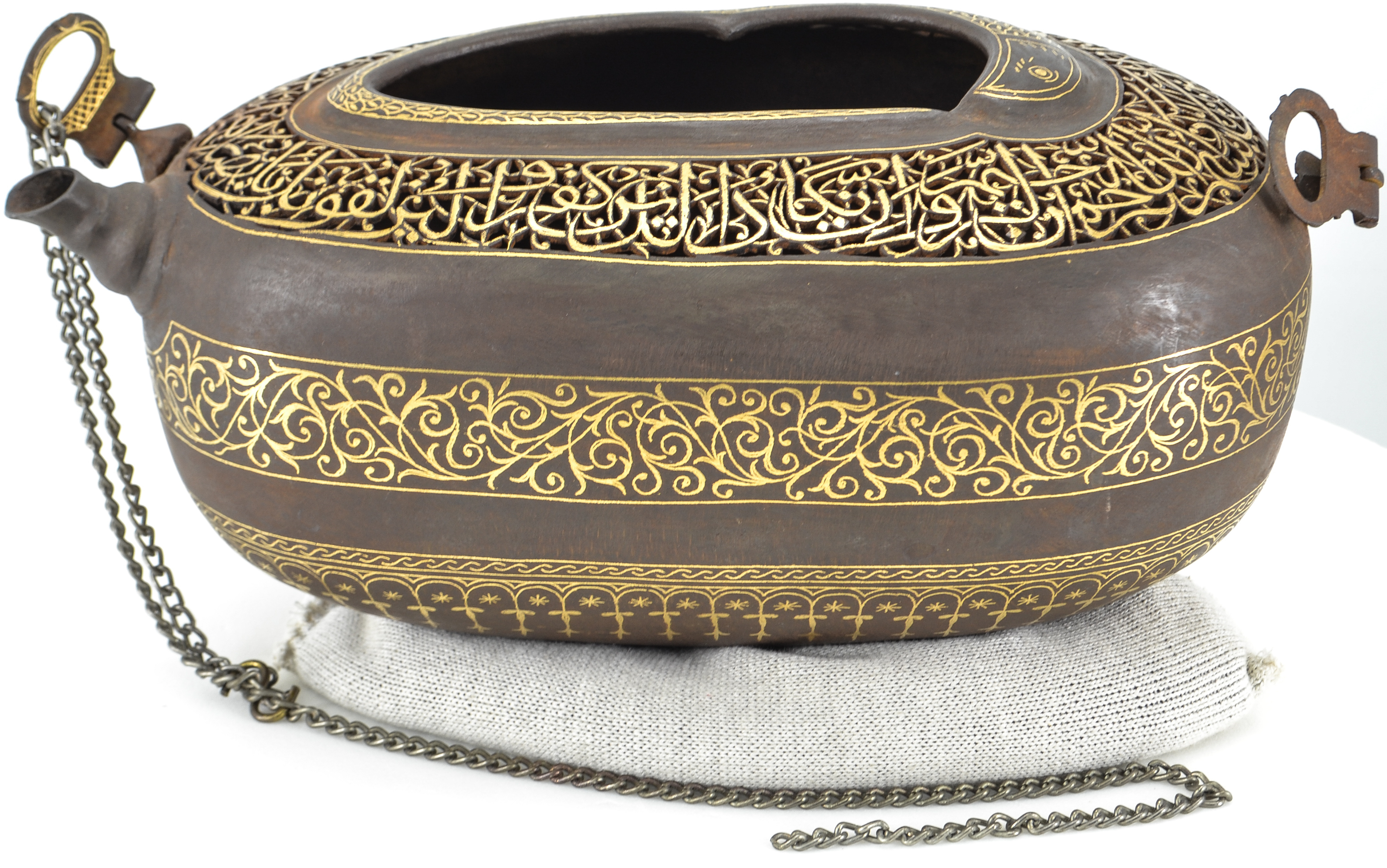
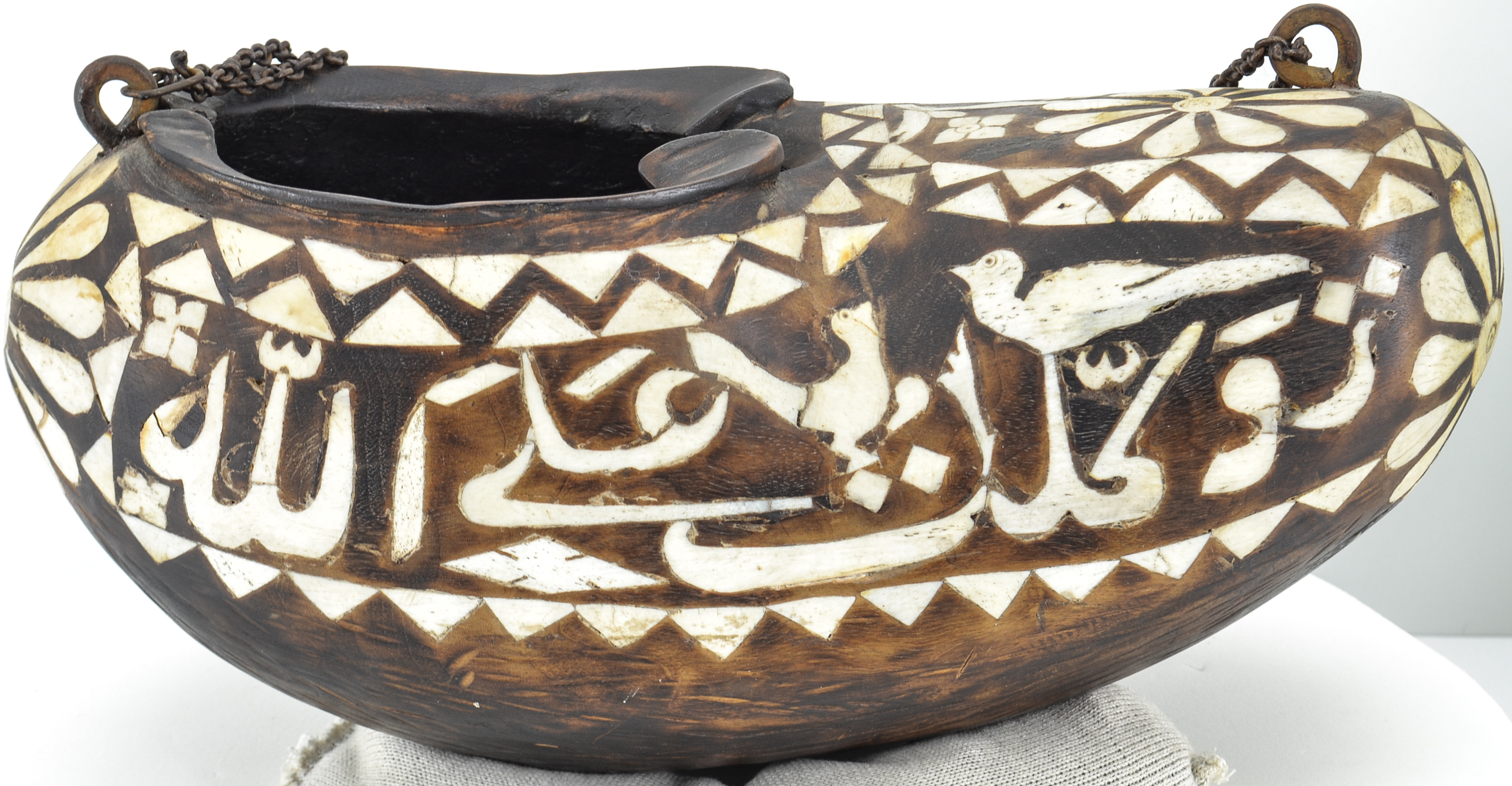
The word kashkul (Persian: کشکول) derives from kāseh-ye kul, meaning "the bowl of the whole" or "universal vessel." In Sufi tradition, the kashkul is far more than a container — it is a symbol of faqr, sacred poverty, and the dervish's complete reliance on God's provision. The Qur'anic verse "O mankind! It is you who stand in need of Allah" (35:15) encapsulates its meaning.
Wandering dervishes — members of Sufi orders such as the Mevlevi, Bektashi, Qadiriyya, and Ni'matullahi — carried the kashkul as one of their very few permitted possessions, alongside a staff (asa), a prayer mat, and a rosary (tasbih). After performing dhikr (remembrance of God), poetry recitation, music, or spiritual counsel in the streets and bazaars, the dervish would extend his kashkul to receive alms of food, drink, or coin.
An empty kashkul represents the emptying of the ego (nafs) — the necessary precondition for being filled with divine knowledge and grace. The boat-like shape evokes the vessel that carries the mystic across the ocean of material existence toward union with God. This rich symbolism made the kashkul a favorite subject for the finest artisans of the Islamic world.
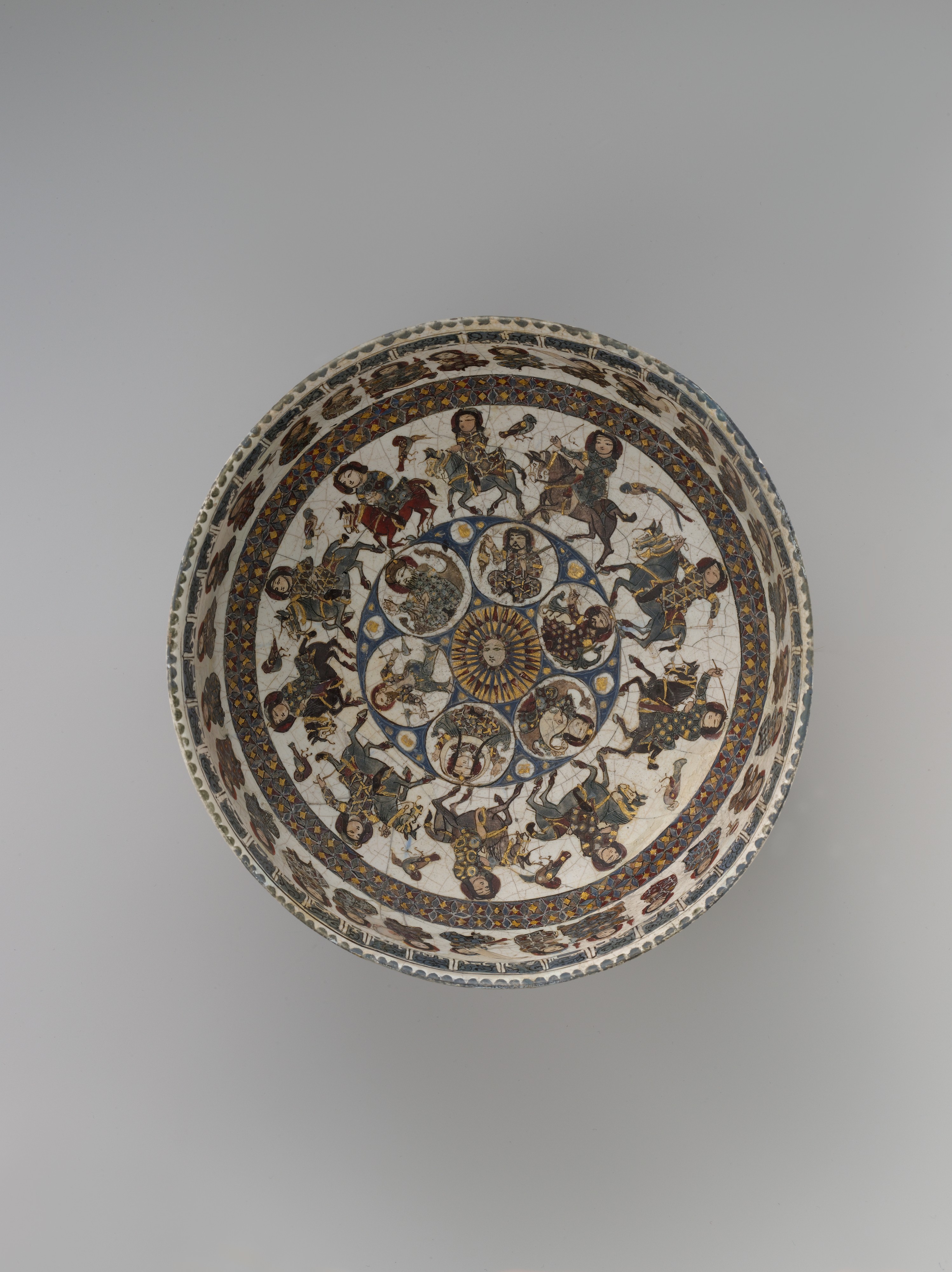
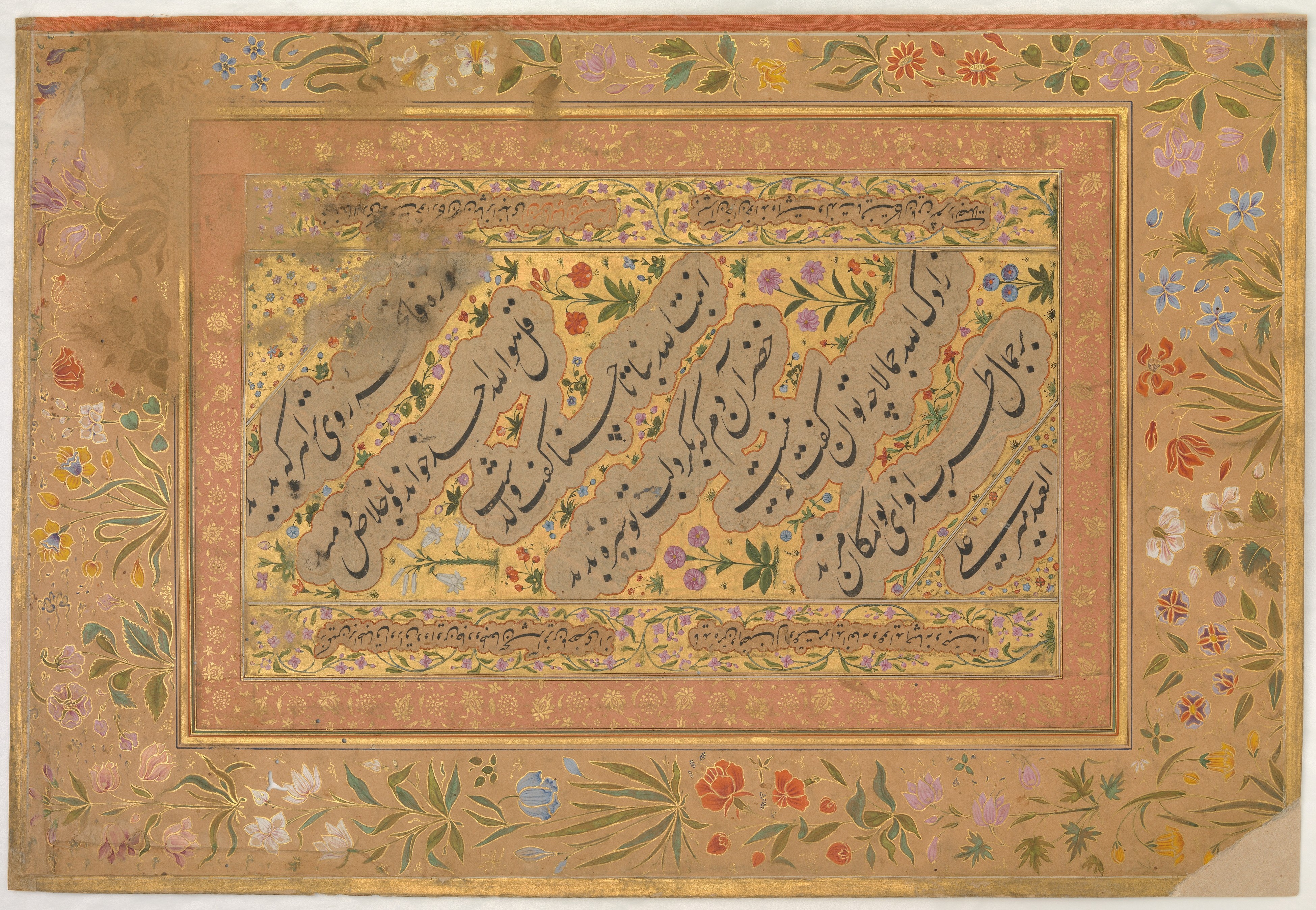
The earliest surviving kashkuls date to the Safavid period in Iran (16th–17th century), though the tradition is certainly older. They were produced in coco de mer shell, brass, bronze, steel, silver, wood, papier-mâché, and even ceramic. The finest examples feature masterful calligraphy — Qur'anic verses, the names of the Prophet and Imams, Persian poetry by Hafez, Rumi, and Sa'di — alongside figural scenes, arabesques, and geometric patterns drawn from the full vocabulary of Islamic decorative art.
By the Qajar period (19th century), kashkuls had transcended their original function. Wealthy collectors and patrons commissioned elaborate examples as display pieces, and the form became a vehicle for the highest achievements of Persian metalwork, carving, and lacquer painting. Today, antique kashkuls are prized by collectors of Islamic art worldwide, and fine examples appear regularly at Christie's, Bonhams, and Sotheby's.